The rapid acceleration of climate change, alongside rising global temperatures, has underscored the urgent need to expedite decarbonization efforts across sectors over the globe. In particular, in today’s era of globalization, where the value chains of goods and services production are becoming increasingly large and complex, carbon emissions have surged alongside their growth. Hence, industrial decarbonization strategies can no longer be viewed solely from an industry-specific perspective; instead, a holistic value chain approach must be considered. Efforts to decarbonize and green value chains have been promoted by many countries and international organizations, as they play a crucial role in achieving more effective climate goals while enhancing value chain resilience. However, these efforts are highly complex and require coordination across various stages. Therefore, adopting a holistic value chain approach is essential in the push for a greener industry, as it incorporates key enablers such as regulatory frameworks, sustainable standards, financial support, and international collaboration. In particular, carbon emissions have surged alongside the growth of value chains, driven by increased production volumes in high-emission sectors. In this context, efforts to decarbonise and greening the value chain has been promoted by many countries and international organizations as they can contribute significantly to achieve climate goals while promoting resilience in the value chains. However, these efforts are complex and require coordination across various stages. Therefore, it is important to use holistic approach in greening the value chain that addresses key enablers, such as regulatory frameworks, sustainable standards, financial support, and international collaboration. As part of Indonesia's decarbonization efforts, the government has introduced several initiatives aimed at reducing greenhouse gas emissions, with a particular focus on developing battery-based electric vehicles (EV). This initiative has been started with the implementation of an export ban on nickel ore, designed to accelerate the industrial downstreaming process by promoting the transformation of raw materials into final products (i.e. battery). According to the Ministry of Investment/BKPM, total investment in Indonesia's battery and electric vehicle ecosystem has reached approximately USD 11- 12 billion as of July 2024. The government’s prioritization of this sector is driven by two factors. First, the transportation sector is the second-largest contributor to global emissions, following the energy sector. Second, Indonesia’s vast reserves of critical minerals present a strategic opportunity for the country to emerge as a leading global hub for EV battery production. Notably, Indonesia nickel reserves—a key materials for EV battery manufacturing—make up around 42% of the world's reserves. This resource 6 positions Indonesia to play a pivotal role in enhancing its competitiveness within the global EV market.
None
Greening Industrial Value Chain
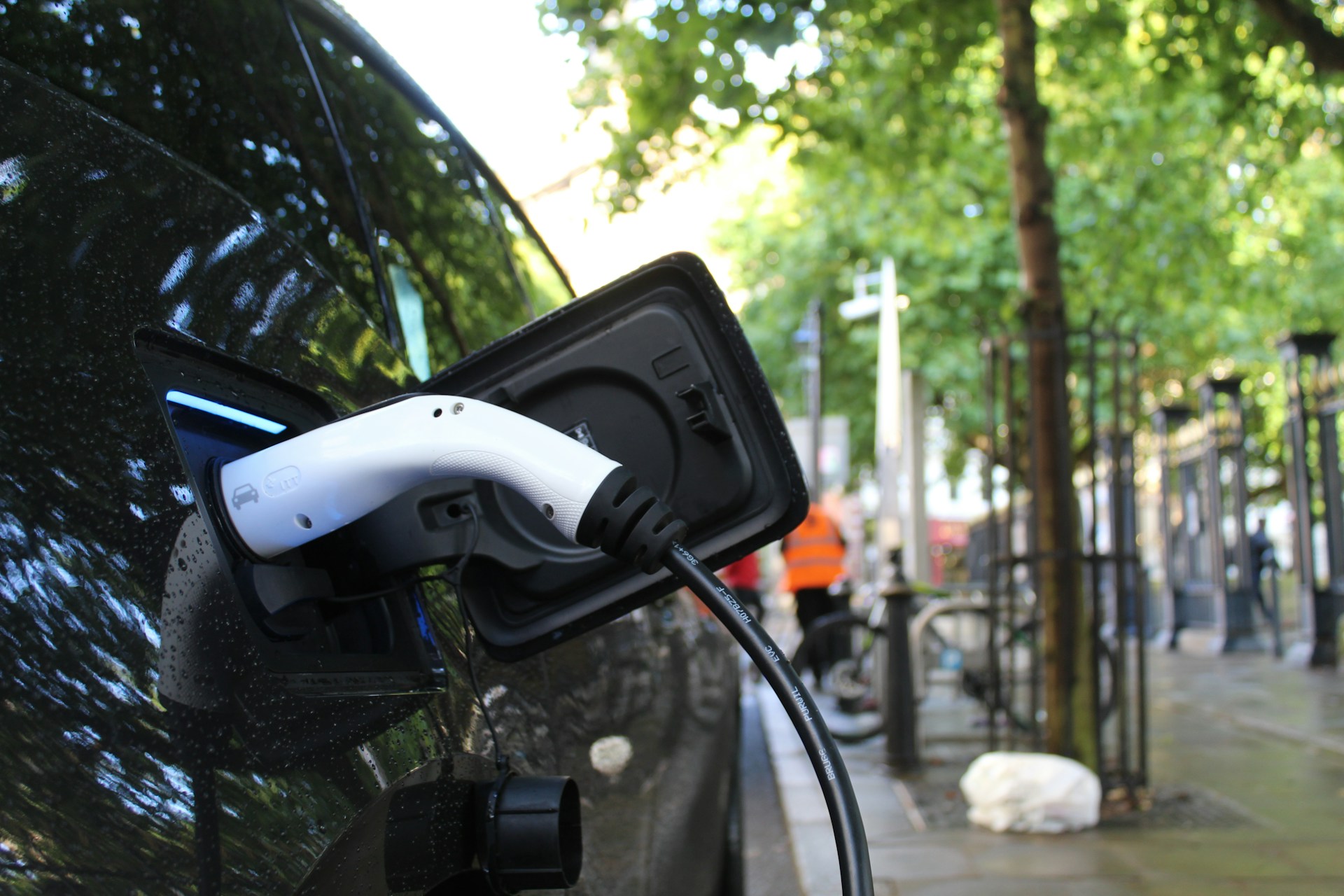
Credit image : Photo by Andrew Roberts on Unsplash