Green industrialization can be an effective climate change mitigation strategy, and countries can leverage a broad array of green industrial policy (GIP) instruments to promote it. But, in light of current global trade and geopolitical realities, what specific kind of green industrial policy remains feasible for the Global South to pursue? We note a growing consensus in the literature that the uncertain geopolitical climate is reshaping global supply chains and, in the process, creating new strategic opportunities for bystanders, such as the Global South, including in low-carbon sectors. However, the rise of inward-looking green industrial policies in large economies and China’s dominance in the global clean-tech supply chain create a new set of external constraints on latecomer green-industrializers. Against this backdrop, we argue that a more realistic GIP approach for the Global South nations must strike the right balance between the short-term imperative of attracting relocating supply chains and the longer-term objective of developing productive capabilities in more complex clean-tech and greener products. Additionally, as China maintains a strong grip across every segment of the low-carbon technology market, the Global South may need to bolster its own domestic renewable energy demand as a catalyst for green industrialization, prompting a reevaluation of green industrial policy beyond China’s export model. Our review of Indonesia’s GIP model indicates that crafting effective policies and institutions for green industries is challenging, and that inadequate renewable energy deployment can constrain the growth of local green manufacturers. We further contend that a reformed international economic order should allow greater scope for green industrial policy, while being carefully designed to avoid intensifying trade tensions.
Working Paper
Green Industrial Policy In A Fragmented World

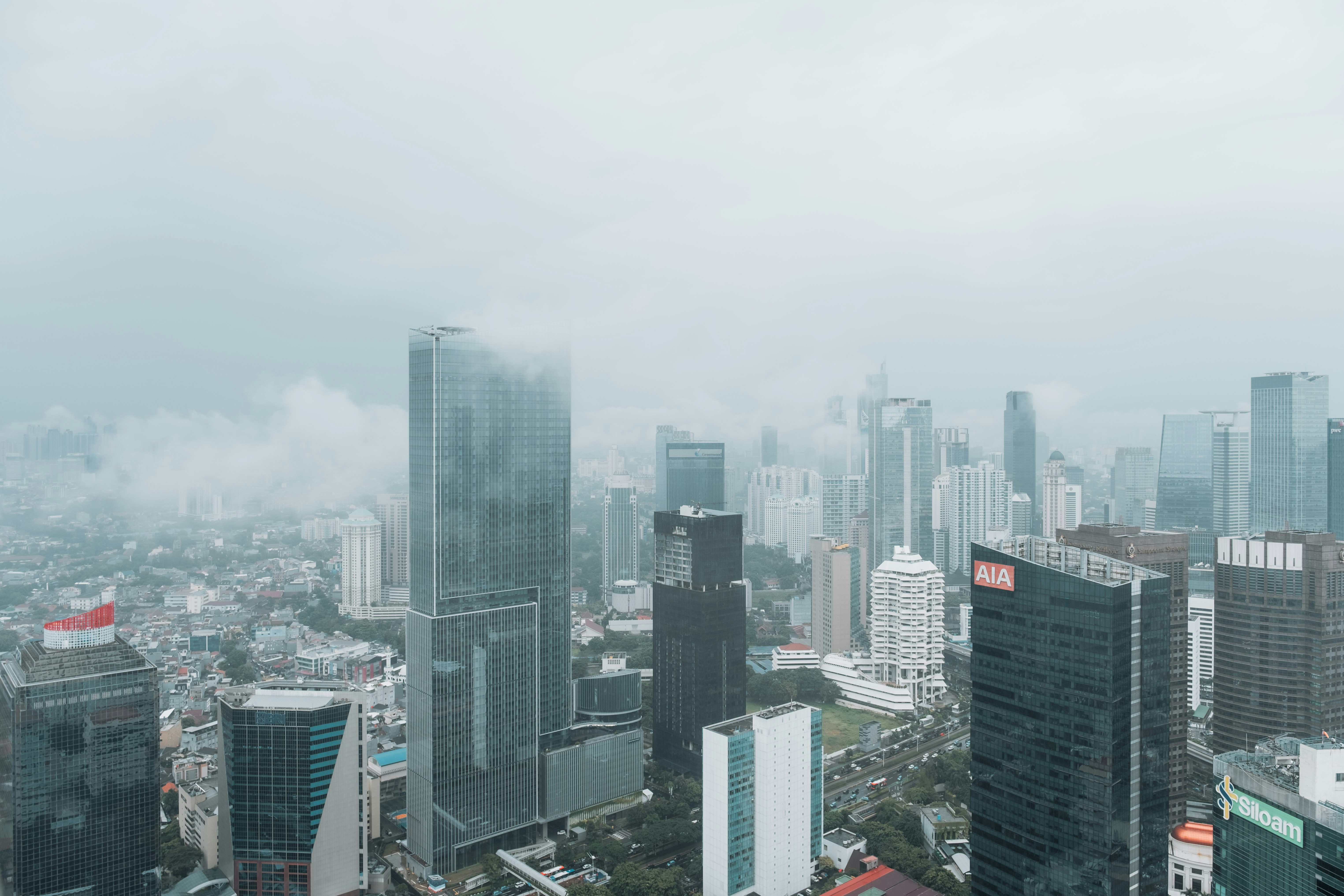
Credit image : Photo by Wim van 't Einde di Unsplash